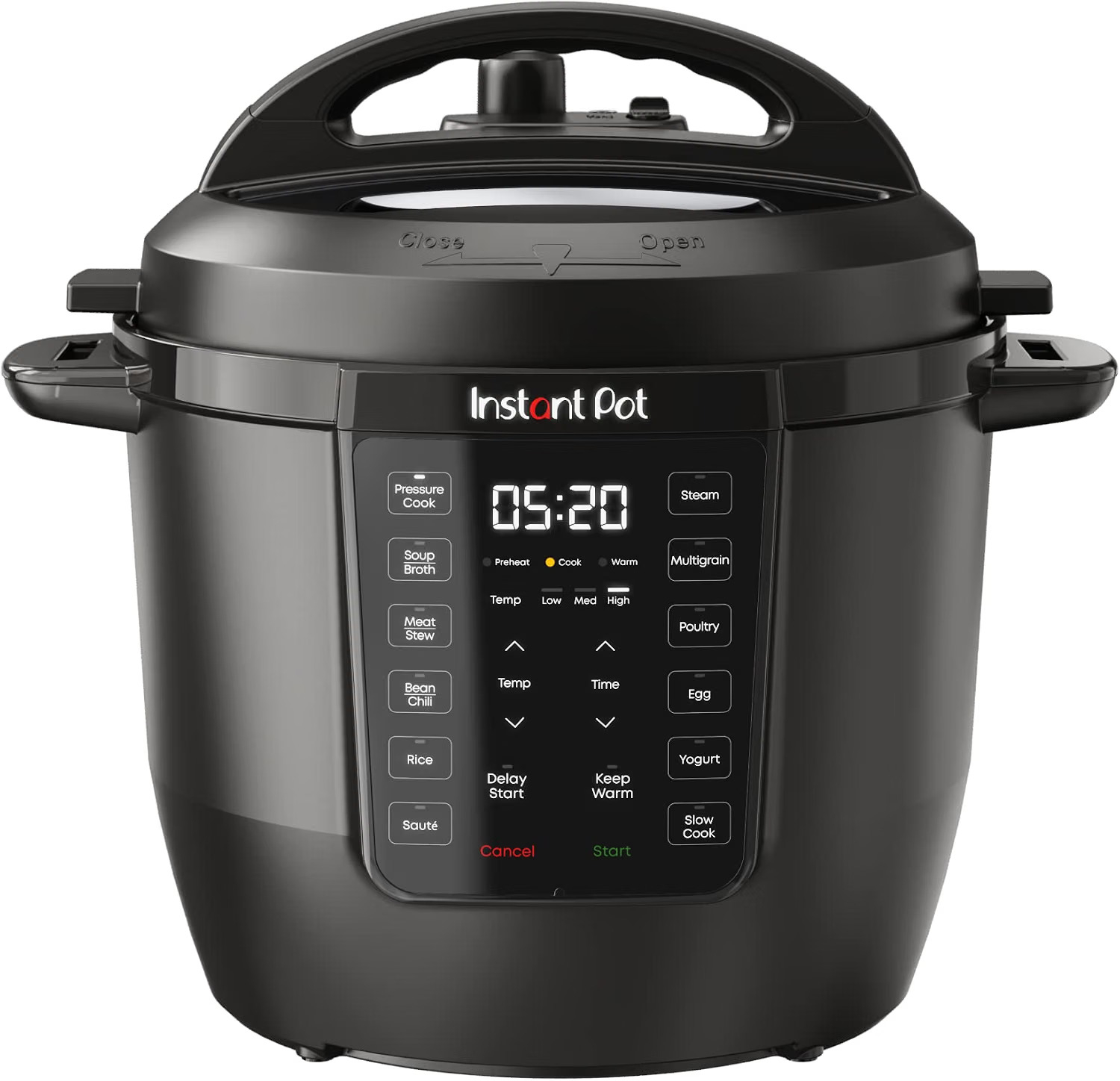

Kitchen appliances come and go, but few categories have reshaped home cooking quite like the multicooker. Somewhere between a traditional stovetop pot and a full-blown countertop gadget, these all-in-one devices promise to simplify meal prep without demanding a culinary degree. The Instant Pot Rio 6 Qt 7-in-1 Electric Pressure Cooker in black is one of the more recent entries in this well-known product line, aimed at everyday households that want flexibility without unnecessary complexity.
This article walks through what the Rio 6 Qt actually offers, how it might fit into different kitchens, and what to think about before adding one to your countertop. Rather than making sweeping claims, the goal here is to give you a grounded, informative look at the appliance so you can decide whether it aligns with how you actually cook.
A Brief Introduction to the Instant Pot Rio Line
Instant Pot has built its reputation on combining several kitchen functions into a single unit, and the Rio series continues that approach. The “7-in-1” label refers to the range of cooking methods packed into one device: pressure cooking, slow cooking, rice cooking, steaming, sautéing, yogurt making, and keeping food warm. Instead of owning a separate slow cooker, rice cooker, and steamer, the idea is that one appliance can reasonably cover all of those roles.
The 6-quart capacity places this model in a fairly versatile middle ground—not so small that it only suits a couple, but not so large that it becomes unwieldy for smaller kitchens. It’s a size commonly chosen by small to medium-sized households looking for a practical all-purpose cooking tool.
Key Features of the Instant Pot Rio 6 Qt
Multiple Cooking Functions in One Unit
The defining feature of this appliance is its multifunctionality. Instead of switching between different countertop tools, users can move between pressure cooking, slow cooking, steaming, sautéing, and more, all from the same base unit. This is particularly useful for people who want to consolidate kitchen equipment or who have limited counter and storage space.
Programmable Controls
The Rio 6 Qt includes a control panel with pre-set programs designed to simplify common cooking tasks. Rather than manually adjusting time and pressure for every dish, users can select a function suited to what they’re preparing—rice, soup, beans, or yogurt, for example—and let the programming handle the rest. This can be especially helpful for those newer to pressure cooking who may be unsure of ideal timing.
Pressure Cooking Function
At its core, this is still a pressure cooker, meaning it can significantly reduce cooking time for foods that traditionally take a while to prepare, such as dried beans, tougher cuts of meat, or grains. Pressure cooking works by trapping steam inside a sealed pot, which raises the internal temperature and cooks food faster than conventional methods.
Slow Cooking Capability
For those who prefer the “set it and forget it” style of cooking, the slow cook function allows the same appliance to be used for longer, low-and-slow meals like stews, chili, or braises—without needing a separate slow cooker taking up space.
Steaming Function
The steaming setting is useful for vegetables, seafood, or dumplings, offering a healthier cooking method that doesn’t rely on added fats or oils.
Sauté Function
Before or after pressure cooking, the sauté function allows users to brown meat or cook aromatics like onions and garlic directly in the same pot. This can reduce the number of dishes used during meal prep, since there’s no need to transfer ingredients from a separate pan.
Yogurt-Making Setting
This is a feature not found in traditional pressure cookers or slow cookers. The yogurt function maintains a consistent low temperature over an extended period, which is necessary for fermenting milk into yogurt. For those interested in homemade dairy alternatives or reducing store-bought yogurt purchases, this can be a notable addition.
Keep Warm Function
Once cooking is complete, the appliance can automatically switch to a “keep warm” mode, helping maintain food temperature until it’s ready to be served. This is particularly convenient for family meals where timing between household members may vary.
Safety Mechanisms
Modern electric pressure cookers, including this model, typically include multiple safety features such as lid-locking mechanisms, pressure release valves, and overheat protection. These are standard considerations for anyone new to pressure cooking who may have concerns about safety compared to stovetop pressure cookers.
How the Instant Pot Rio 6 Qt Can Be Used
Because of its multifunctional design, this appliance can realistically be used throughout the day and across a wide range of meals.
Breakfast: Options include steel-cut oats, hard-boiled eggs, or even homemade yogurt prepared overnight using the yogurt setting.
Lunch and Dinner: Rice dishes, soups, stews, pasta, and braised meats are common uses. The pressure cooking function is especially useful for meals that would otherwise require hours of simmering, such as pot roast or bone broth.
Batch Cooking and Meal Prep: Because the pot cooks relatively large quantities at once, it can support batch cooking for the week, which some households find helpful for saving time on busier days.
Side Dishes: Steaming vegetables or grains as an accompaniment to a main dish is a simple use of the steam function.
Beans and Legumes: Dried beans, which typically require soaking and long cook times, can be prepared more quickly using the pressure function, which may appeal to those who cook plant-based meals regularly.
Desserts: Some users experiment with cheesecakes, rice pudding, or custards using the pressure or slow cook settings, since the sealed, moist cooking environment can work well for certain baked or steamed desserts.
Who This Appliance May Be Suitable For
While no kitchen appliance is universally ideal, there are certain types of households and cooking styles that may find the Rio 6 Qt particularly useful.
Small to Medium-Sized Households: The 6-quart capacity is generally suited to two to five people, depending on portion sizes and how much of the pot is filled per meal.
Busy Individuals and Families: Those looking to cut down on both cooking time and the number of pots and pans used may appreciate the multifunction design.
People New to Pressure Cooking: The programmable settings can make the transition into pressure cooking less intimidating, since users don’t need to manually calculate pressure levels or timing for every dish.
Those Interested in Meal Variety: Because it can pivot between different cooking styles, this appliance may suit people who like to rotate between soups, grains, proteins, and slow-cooked meals without owning several separate devices.
Home Cooks with Limited Kitchen Space: Consolidating multiple appliances into one can be a practical benefit for smaller kitchens or apartments where counter and storage space is limited.
That said, those who cook primarily for large gatherings, or who need very high-volume cooking capacity regularly, may want to consider a larger-capacity model or additional cookware.
Important Things to Consider Before Purchasing
Capacity and Household Size
While 6 quarts is a popular size, it’s worth thinking about how much food you typically prepare. Larger families or those who like to cook in bulk for freezing might find themselves needing multiple batches, whereas smaller households may only use a portion of the pot’s capacity regularly.
Learning Curve
Even with programmable settings, pressure cooking involves understanding basic principles like liquid requirements, natural versus quick pressure release, and safe lid handling. New users may want to start with simpler recipes before attempting more complex dishes.
Counter and Storage Space
Multicookers, while space-saving compared to owning several separate appliances, are still a reasonably sized unit. It’s worth measuring available counter or storage space beforehand.
Cleaning and Maintenance
Removable inner pots are generally dishwasher-safe, but components like the sealing ring and steam release valve may require regular hand-cleaning and occasional replacement to maintain performance and prevent lingering odors from previous meals.
Cooking Time Expectations
While pressure cooking is faster than many traditional methods, it’s worth noting that come-up time (the time it takes to build pressure) and natural release time (if used) both add to the total cooking duration. This means total time may be longer than the “cook time” setting alone suggests.
Warranty and Support
As with most kitchen electronics, checking the manufacturer’s warranty terms and customer support options is a reasonable step before purchase, particularly for appliances used frequently.
Comparing General Appliance Categories
To put the Rio 6 Qt in context, it helps to compare general categories of kitchen cooking appliances, without focusing on any specific competing brand or model.
Traditional Pressure Cookers (Stovetop): These rely on direct heat from a stovetop and generally build pressure faster, but they require more hands-on monitoring and don’t offer the multifunction programming found in electric models.
Standalone Slow Cookers: These are excellent for long, unattended cooking but lack the ability to pressure cook, steam, or sauté, meaning additional cookware is often needed for a complete meal.
Standalone Rice Cookers: Dedicated rice cookers are often simpler and sometimes more consistent for rice specifically, but they don’t offer the broader functionality of a multicooker.
Multicookers (Like the Rio 6 Qt): These combine several functions into a single unit, which can be a practical trade-off between convenience and specialization. While a multicooker may not outperform a dedicated single-purpose appliance in every category, its flexibility can be valuable for those who want fewer devices taking up space.
Ultimately, the right choice depends on cooking habits, kitchen space, and how much variety a household wants from a single appliance.
Frequently Asked Questions
Is the Instant Pot Rio 6 Qt suitable for large families? It can work for medium-sized families, though very large households or those who frequently cook in bulk may want to consider a larger-capacity model or plan for multiple cooking batches.
Do I need to buy separate accessories? Basic accessories like a steaming rack are often included, but additional items such as extra sealing rings, glass lids, or specialty inserts may be purchased separately depending on individual needs.
Is pressure cooking safe for beginners? Modern electric pressure cookers include multiple built-in safety mechanisms, such as lid locks and pressure release systems, which are designed to reduce risk compared to older stovetop models. As with any kitchen appliance, following the included instructions is recommended.
Can it replace multiple kitchen appliances? For many of the functions it includes—pressure cooking, slow cooking, steaming, sautéing, rice cooking, yogurt making, and keeping food warm—yes, it can reduce the need for separate single-purpose devices. However, some users may still prefer dedicated appliances for specific tasks depending on personal preference.
How long does food take to cook? Cooking times vary by recipe and function used. Pressure cooking generally reduces total cooking time compared to conventional methods, though the time needed to build and release pressure should be factored into total meal prep time.
Is cleaning difficult? The inner pot is typically dishwasher-safe, while other components like the sealing ring and lid may require more careful hand cleaning to maintain performance over time.
Final Thoughts
The Instant Pot Rio 6 Qt 7-in-1 Electric Pressure Cooker represents a fairly practical option for households looking to simplify their cooking routine without collecting a shelf full of single-purpose appliances. Its combination of pressure cooking, slow cooking, steaming, sautéing, rice cooking, yogurt making, and warming functions offers a reasonable degree of flexibility for everyday meals, batch cooking, and even some less conventional uses like homemade yogurt.
As with any kitchen appliance, it’s worth considering your household size, cooking habits, and available space before deciding if this particular model fits your needs. No single appliance works perfectly for every kitchen, but understanding its features and limitations can help you make a more informed decision.