
Kitchen appliances have come a long way from the single-purpose gadgets that used to crowd countertops and cabinets. Among the devices that have reshaped how people approach everyday cooking, the Instant Pot 6 Qt 9-in-1 Electric Pressure Cooker with WhisperQuiet technology stands out as a genuinely versatile option. Whether you’re new to multicookers or considering an upgrade from an older model, understanding what this appliance offers can help you decide whether it fits your kitchen routine.
This article walks through the practical details of this multicooker — its features, how it can be used, who might benefit from it, and what to think about before adding one to your kitchen lineup.
What Is the Instant Pot 6 Qt 9-in-1?
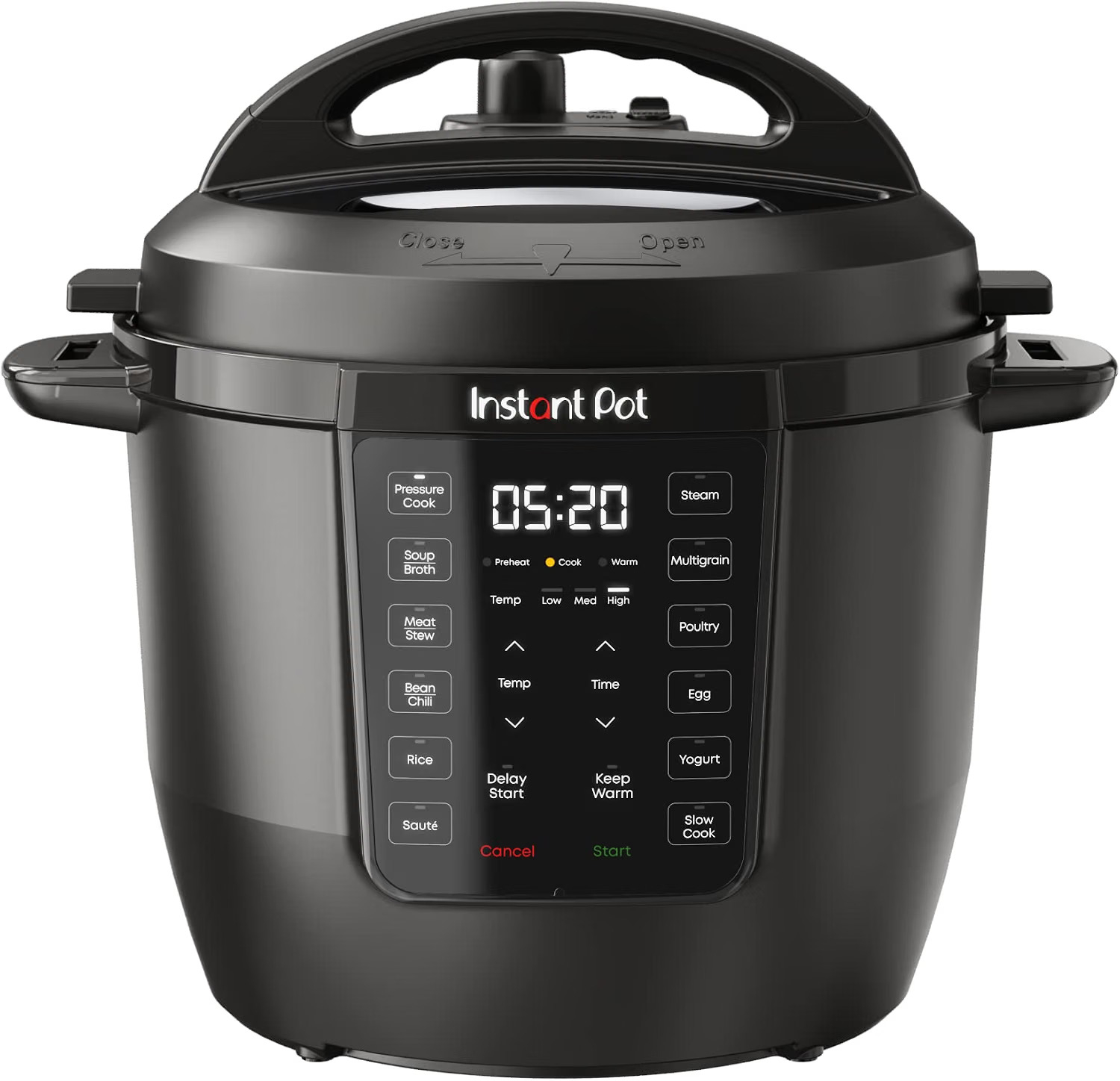
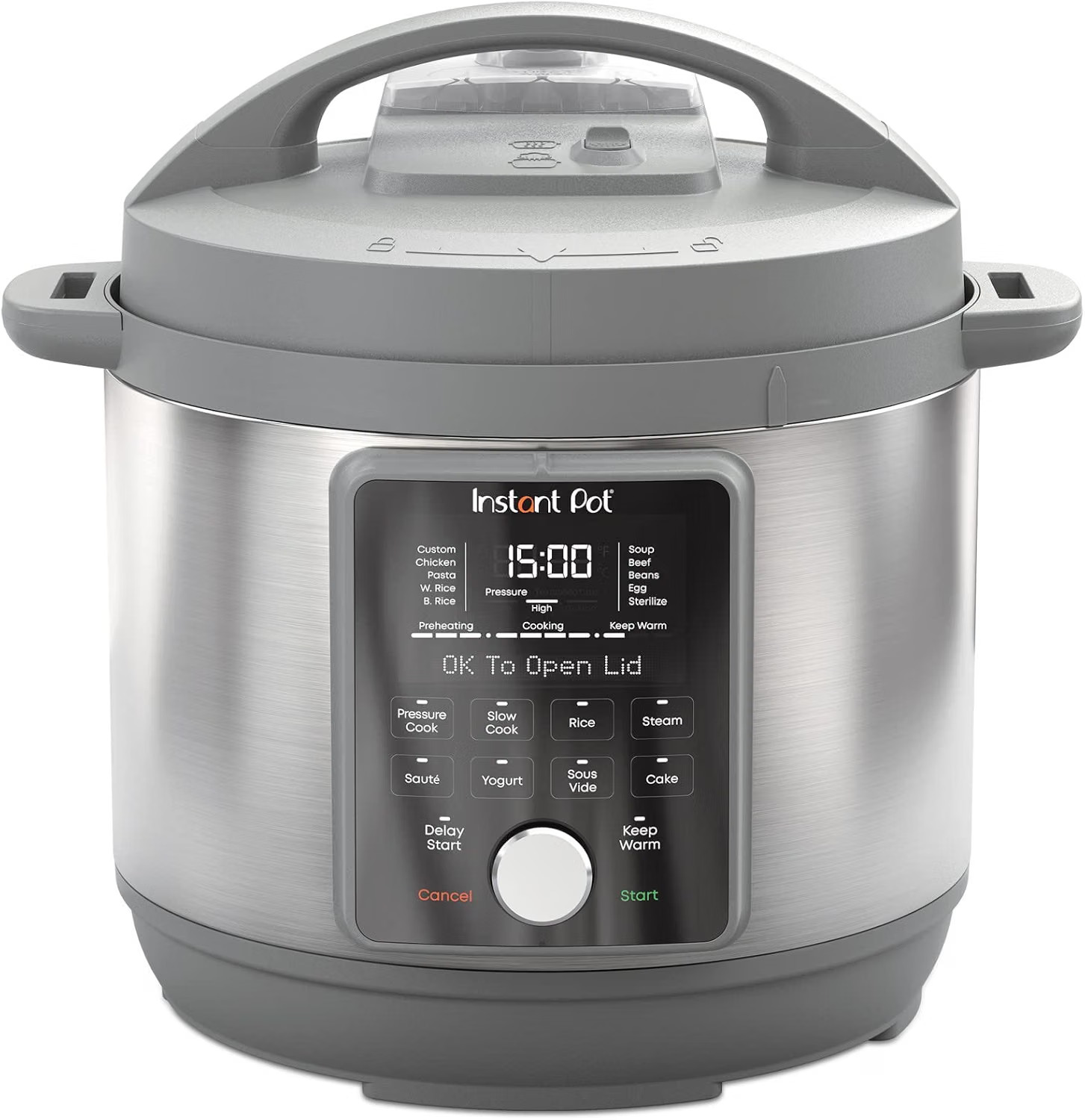
At its core, this appliance is an electric pressure cooker designed to replace several individual kitchen tools with one unit. The “9-in-1” designation refers to its ability to function as a pressure cooker, slow cooker, rice cooker, steamer, sauté pan, yogurt maker, warming pot, and more, depending on the specific configuration. The stainless steel inner pot and 6-quart capacity make it suitable for households looking to prepare meals for several people without needing industrial-sized equipment.
The “WhisperQuiet” branding refers to a design update focused on reducing the operational noise typically associated with pressure release and cooking cycles — a detail that matters more than people expect once they’ve lived with a noisier appliance.
Key Features Worth Understanding
Multi-Function Design
Rather than dedicating separate appliances to rice cooking, steaming vegetables, or slow-simmering stews, this device consolidates those functions into a single unit. This can be particularly useful for smaller kitchens or for anyone trying to reduce appliance clutter.
Stainless Steel Inner Pot
The inner cooking pot is typically made from stainless steel, which tends to be favored by users who prefer to avoid non-stick coatings. Stainless steel is also generally regarded as durable and easier to maintain over long-term use, though care instructions should always be followed based on the manufacturer’s guidance.
Pressure Cooking Technology
Electric pressure cookers work by trapping steam inside a sealed pot, which raises the internal pressure and cooking temperature. This allows food — particularly dense items like beans, grains, and tougher cuts of meat — to cook significantly faster than conventional stovetop or oven methods.
App Connectivity
Many newer Instant Pot models, including this one, offer companion app integration. This can include access to guided recipes, cooking programs, and in some cases remote monitoring or notifications. App features vary by model and region, so checking the specific compatibility details on the product listing is recommended.
Noise Reduction Engineering
The WhisperQuiet element addresses one of the more common complaints about earlier pressure cooker generations — the sometimes startling hiss during pressure release. While no pressure cooker is entirely silent, design updates aimed at reducing noise can make a meaningful difference in daily use, especially in smaller living spaces or households with young children.
Multiple Safety Mechanisms
Modern electric pressure cookers are generally built with multiple layers of safety features, including lid-locking mechanisms, pressure sensors, and automatic temperature regulation. These are standard across most reputable pressure cooker brands and are worth understanding regardless of which model you choose.
How It Can Be Used
One of the more appealing aspects of a multicooker like this is the sheer range of meals it can help prepare. Here are some practical use cases:
Weeknight Meals: Pressure cooking can cut down cooking time for dishes like chili, soups, and braised meats, which is useful for people balancing busy schedules.
Batch Cooking: The 6-quart capacity is generally large enough to prepare meals for meal-prepping purposes, allowing users to cook larger portions and store leftovers for the week.
Rice and Grains: The rice cooker function can simplify the process of preparing rice, quinoa, or other grains with more consistent results than manual stovetop methods.
Steaming Vegetables or Seafood: The steaming function offers a way to prepare vegetables, dumplings, or fish without needing a separate steamer basket setup.
Yogurt Making: For those interested in homemade yogurt, the dedicated yogurt setting can maintain the consistent low temperatures needed for fermentation.
Sautéing Before Pressure Cooking: Because the unit includes a sauté function, users can brown meat or soften vegetables directly in the pot before switching to pressure cooking, reducing the need for additional pans.
Keeping Food Warm: After cooking, the warming function can help maintain food temperature until it’s ready to be served, which can be useful for gatherings or staggered mealtimes.
Who It May Be Suitable For
This type of multicooker tends to appeal to a fairly broad range of users, though it may be more or less useful depending on individual circumstances.
Busy households juggling work, school, and other commitments may appreciate the reduced hands-on cooking time that pressure cooking allows.
Small kitchen owners who want to minimize the number of individual appliances taking up counter or storage space may find the multi-function design appealing.
Home cooks interested in meal prepping could benefit from the larger capacity and the ability to prepare multiple components of a meal using different functions.
People new to pressure cooking might find app-guided programs helpful for building confidence with unfamiliar techniques.
Those living in apartments or shared spaces may specifically value the quieter operation, since traditional stovetop pressure cookers and even some electric models can be notably loud during venting.
That said, this device may be less necessary for individuals who primarily cook single-serving meals, rarely cook from scratch, or already have a kitchen equipped with several specialized appliances that cover similar functions.
Important Things to Consider
Before deciding whether this multicooker fits your needs, there are a few practical points worth thinking through.
Counter and Storage Space: While it replaces multiple appliances, the unit itself still requires a reasonably sized storage spot or dedicated counter space, particularly given its 6-quart size.
Learning Curve: Even with app guidance, pressure cooking has its own set of best practices — particularly around liquid ratios and cook times — that may take a few attempts to get comfortable with.
Cleaning and Maintenance: The sealing ring, steam release valve, and other components require regular cleaning to function properly and avoid lingering odors, which is a routine maintenance step some new users overlook initially.
Recipe Adaptation: Traditional stovetop or oven recipes often need adjustment when converted to pressure cooking, since cook times and liquid requirements differ significantly.
App Dependency: While app connectivity can add convenience, it’s worth confirming whether core cooking functions require the app or if it’s purely supplementary, since app-based features can sometimes rely on stable internet or account setup.
Capacity Fit: A 6-quart size is generally suited for small to medium households. Larger families or those who frequently cook in bulk might want to compare this against larger capacity options.
Comparing General Categories of Multicookers
When looking at electric pressure cookers and multicookers as a category, a few general distinctions are worth understanding — without pointing to any specific competing brand.
Basic Pressure Cookers vs. Multi-Function Models: Some electric pressure cookers are designed primarily for one function, while multi-function models expand into slow cooking, steaming, sautéing, and more. The tradeoff is usually price and complexity versus versatility.
Manual vs. App-Connected Models: Traditional models rely entirely on physical dials and buttons, while newer app-connected models offer additional guided programs and remote features. App connectivity can be a helpful bridge for beginners but isn’t strictly necessary for effective pressure cooking.
Capacity Ranges: Multicookers generally range from smaller 3-quart models suited for individuals or couples up to 8-quart or larger models designed for bigger households or batch cooking. Choosing the right size depends largely on typical portion needs and how often bulk cooking is planned.
Material Differences: Some multicookers use non-stick coated inner pots, while others — like this stainless steel option — avoid coatings altogether. Each has its own maintenance considerations, and the right choice often comes down to personal preference around cooking surfaces.
Frequently Asked Questions
Is a pressure cooker safe to use at home? Modern electric pressure cookers are generally designed with multiple built-in safety mechanisms, including pressure regulation and lid-locking systems. As with any kitchen appliance, following the manufacturer’s instructions is important for safe operation.
Do I need the companion app to use the cooker? Typically, no. App connectivity is usually an added convenience for recipe guidance or monitoring, while the core physical controls generally allow full use of the appliance without an app.
Can this replace multiple kitchen appliances? For many households, a 9-in-1 multicooker can reduce the need for separate rice cookers, slow cookers, steamers, and sauté pans, though individual needs and cooking habits will determine how much overlap makes sense.
How loud is the pressure release process? While all pressure cookers produce some sound during steam release, the WhisperQuiet design is intended to reduce this noise compared to earlier models, though it will not be completely silent.
Is stainless steel better than non-stick for pressure cooking? Neither material is universally “better” — it depends on personal preference. Stainless steel tends to be more durable over time and avoids coating-related concerns, while non-stick surfaces can offer easier cleanup for certain foods.
How much food can a 6-quart pot hold? A 6-quart capacity is generally suitable for preparing meals for roughly four to six people, depending on the recipe and how much liquid or bulk ingredients are involved.
Final Thoughts
The Instant Pot 6 Qt 9-in-1 Electric Pressure Cooker represents a practical option for anyone looking to simplify their cooking routine without sacrificing versatility. From quick weeknight meals to batch-prepped dishes, its combination of pressure cooking, steaming, sautéing, and other functions offers a fairly comprehensive toolkit within a single appliance. The stainless steel construction and WhisperQuiet design add further considerations for those prioritizing durability and quieter kitchen operation.
As with any kitchen appliance purchase, it’s worth weighing your household size, cooking habits, and available space before deciding if this particular model aligns with your needs. Taking time to understand the features and how they map onto your everyday cooking style can make the decision process considerably easier.