
Introduction
The landscape of home cooking has shifted considerably over the past decade, with electric pressure cookers becoming increasingly common in kitchens across different cooking styles and experience levels. The Instant Pot Duo 6 Qt stands as one of the more widely discussed options in this category, offering a substantial capacity paired with multiple cooking functions. Rather than focusing on marketing claims, this article explores what the appliance actually does, how it functions, and the practical considerations for anyone thinking about incorporating it into their cooking routine.
A 6-quart capacity represents a significant step up from smaller models, making it relevant for specific household situations. Understanding whether this size and feature set aligns with your needs requires looking beyond surface-level descriptions and examining the actual functionality and practical realities of the machine.
What is an Electric Pressure Cooker and How Does It Work?
Before diving into this specific model, it helps to understand the broader category. Electric pressure cookers use steam pressure to cook food faster than traditional stovetop methods. The sealed environment raises water’s boiling point above 212°F, allowing food to cook more quickly while retaining nutrients and moisture.
The basic process involves adding liquid to the pot, sealing the lid, selecting a function, and letting the appliance do the work. Once cooking completes, the pressure needs to release—either naturally by allowing the temperature to drop gradually, or quickly through a valve. This distinction matters because different foods respond differently to these methods.
Traditional pressure cookers require constant monitoring and manual pressure adjustment. Electric models like the Duo remove this complexity by automating pressure maintenance and offering preset cooking programs tailored to specific foods.
Key Features of the Instant Pot Duo 6 Qt Model
Capacity and Dimensions
The 6-quart capacity refers to the total volume of the inner cooking vessel. In practical terms, this means you can prepare larger quantities than smaller models, but there are filling limitations—typically you shouldn’t exceed about two-thirds capacity for foods that expand during cooking, and half capacity for foods that foam.
The larger size does translate to more counter space required. Anyone considering this model should verify their kitchen layout beforehand, as finding permanent or semi-permanent placement might present challenges in smaller kitchens.
Seven Cooking Functions
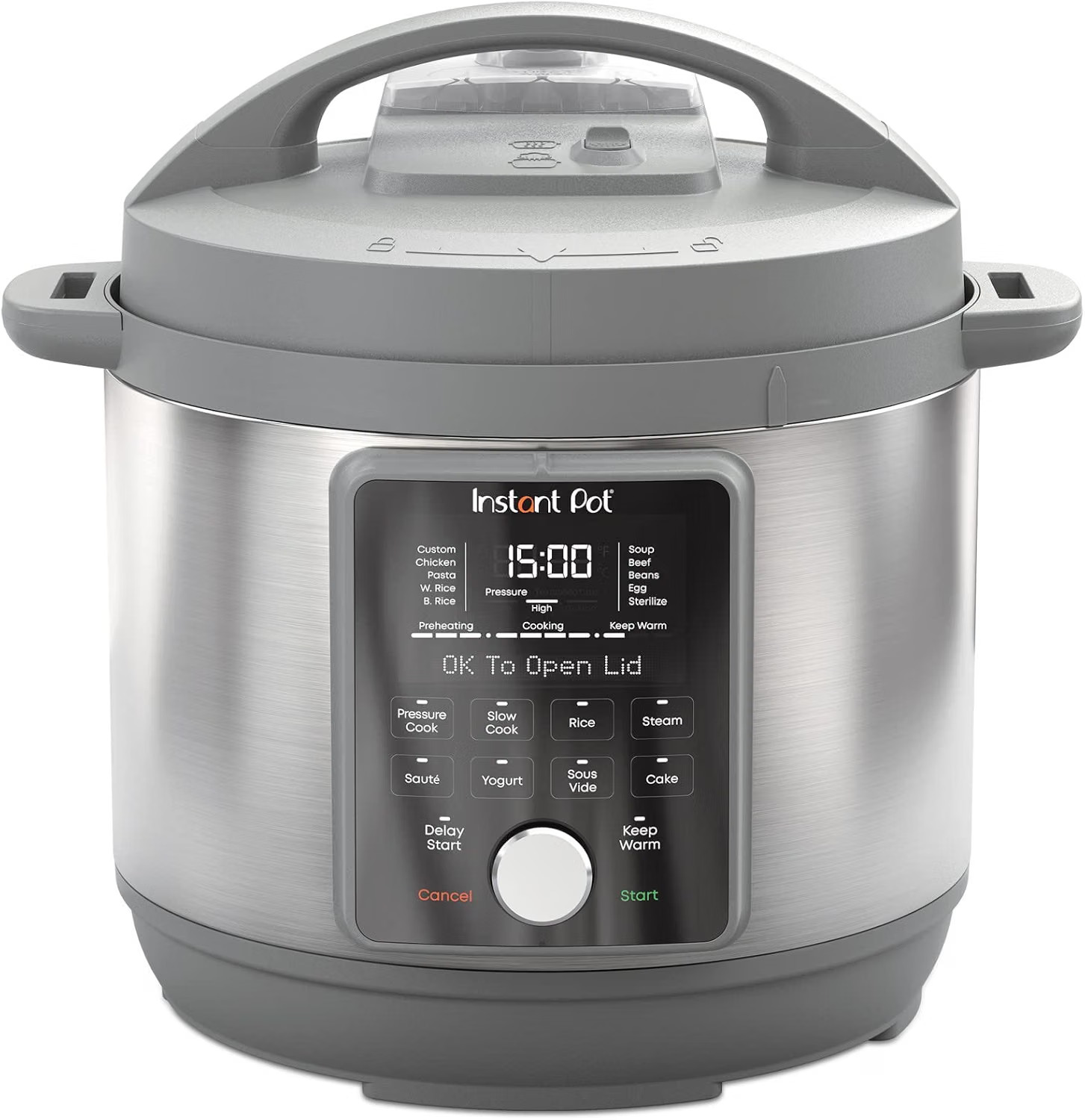
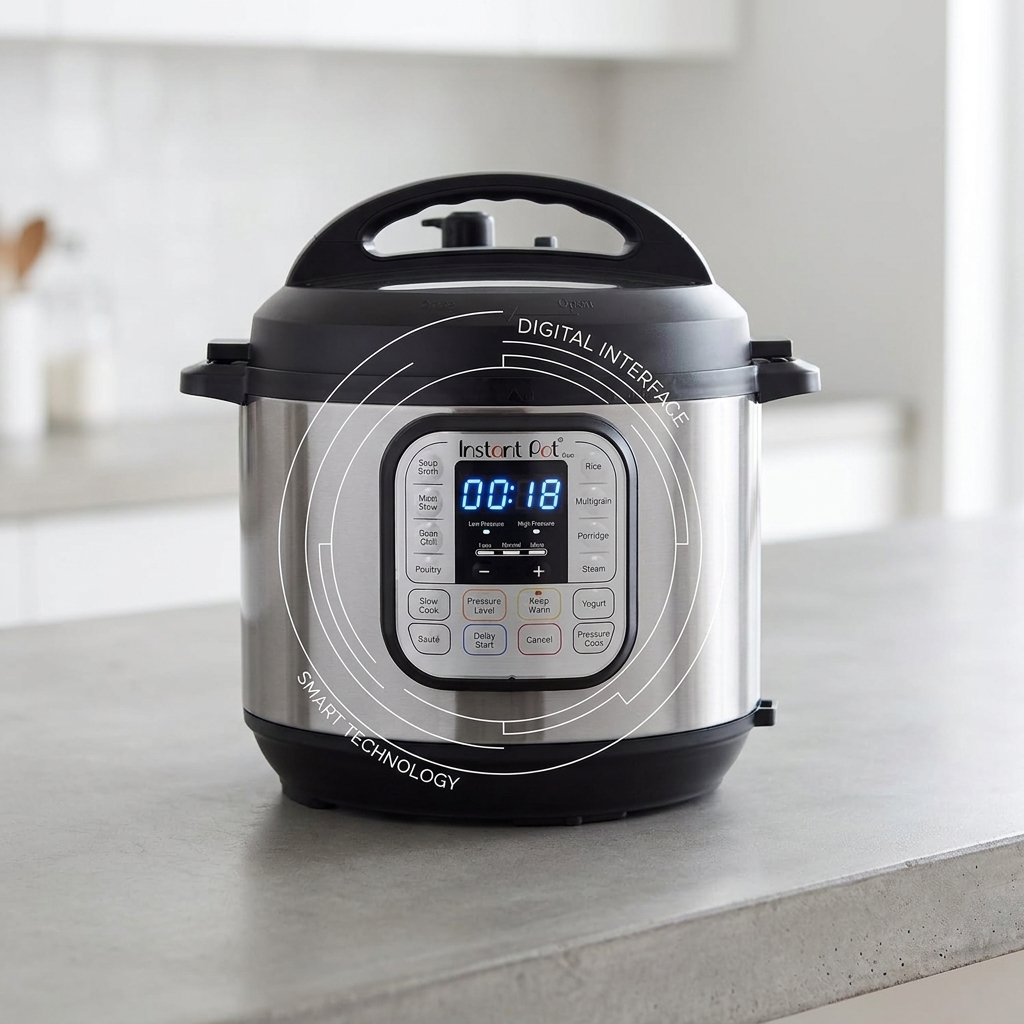
The Duo designation references seven different cooking modes, each with automatic settings:
Pressure Cooking functions under high and low pressure settings, the core capability of the machine. High pressure (10.2 PSI) cooks food quickly, while low pressure works better for delicate items.
Slow Cooking mode essentially transforms the device into a slow cooker, useful for recipes traditionally made in that manner. This function doesn’t create pressure—it’s simply gentle, indirect heating.
Rice mode automatically adjusts cooking time based on rice quantity, using algorithms calibrated specifically for rice cooking.
Sauté mode enables stovetop-style cooking before or after pressure cooking, eliminating the need to dirty additional pans for browning meat or sautéing aromatics.
Steam function cooks food using steam without pressure, suitable for vegetables, dumplings, and other items that don’t require pressure.
Yogurt mode maintains temperature in a range that supports yogurt fermentation, converting the appliance into a yogurt incubator.
Sterilize mode heats contents to sterilization temperatures, useful for preserving or sanitizing equipment.
Stainless Steel Construction
The inner pot is stainless steel rather than non-stick coated. This means it’s more durable and doesn’t risk coating degradation, but it also requires a bit more attention to prevent sticking during sautéing. Most users season their stainless steel pots with oil before using the sauté function.
The outer housing is also stainless steel, contributing to the appliance’s durability and providing a consistent appearance that fits various kitchen aesthetics.
Control System and Interface
The Duo uses physical buttons and a digital display rather than touch screens. For some, this feels more reliable; for others, it feels less modern. The interface is straightforward without being minimalist, and most functions are accessible within two or three button presses.
Heating Element and Pressure Regulation
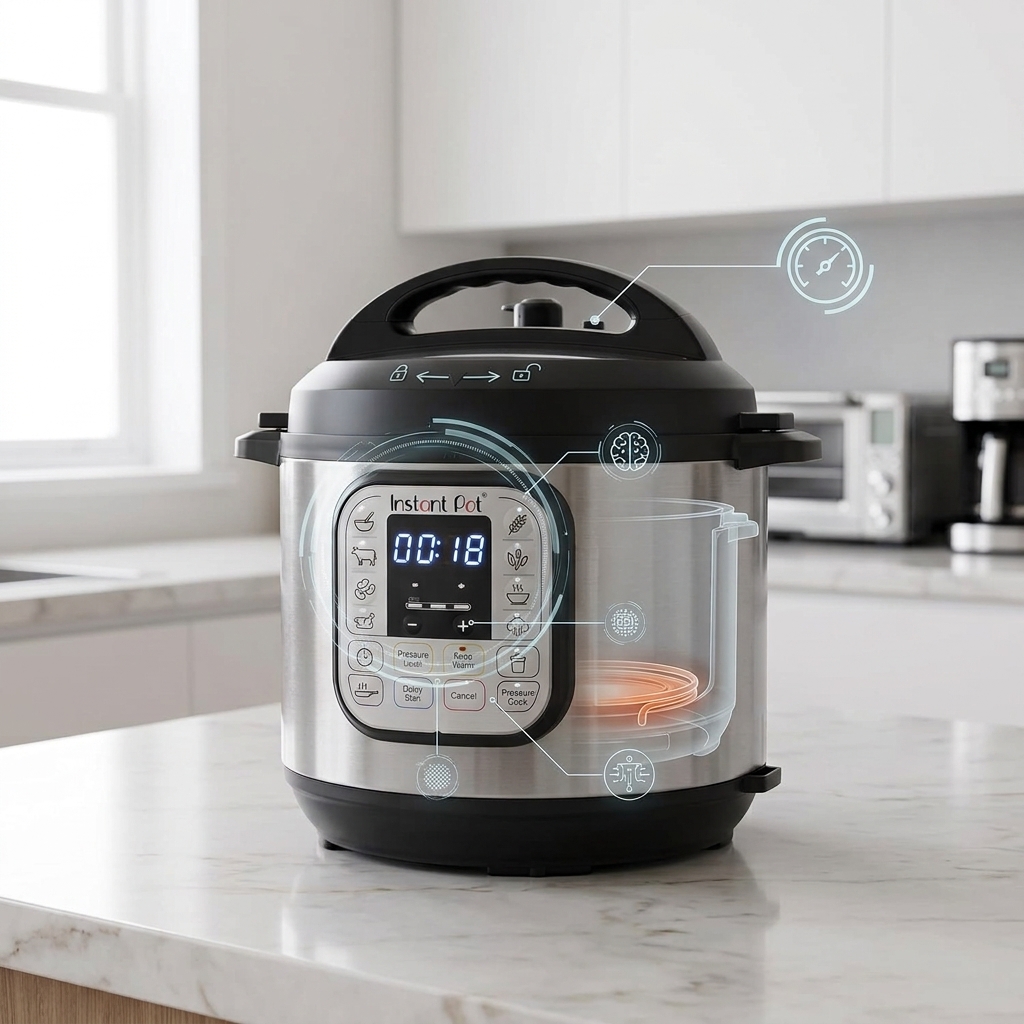
An electric element at the bottom of the cooking vessel provides heating. Temperature and pressure management happens automatically through sensors that monitor conditions inside the pot and adjust the heating element accordingly. This removes the guesswork present in stovetop pressure cookers.
Keep Warm Function
After cooking completes, the appliance can maintain food at serving temperature. This proves convenient for dishes that will be eaten over an extended period but means the machine stays powered on and warm, unlike standalone cookware.
Practical Applications and Cooking Methods
Transforming Tough Cuts into Tender Meals
The primary appeal of pressure cooking lies in its ability to tenderize difficult cuts of meat in a fraction of traditional cooking times. Beef chuck, pork shoulder, and chicken thighs that might require hours of braising or slow cooking can become fork-tender in 30-45 minutes of pressure cooking plus release time.
This doesn’t mean the results are identical to slow-cooked versions, which benefit from long, gentle moist heat that develops complex flavors. Pressure-cooked meat tends toward a slightly different texture—moist and tender but sometimes less browned exterior than traditional braising produces. Using the sauté function first and after pressure cooking can partially bridge this gap.
Dried Legumes and Grains
Canned beans are convenient, but dried beans have advantages in cost and shelf stability. Traditional methods require soaking overnight and then simmering for hours. Pressure cooking reduces this to roughly 30 minutes including release time, though quick-soaking methods followed by pressure cooking work nearly as well.
Rice, quinoa, farro, and other grains also benefit from pressure cooking’s speed and consistency. The specific rice mode provides foolproof results without monitoring.
Broths and Stock Making
The large capacity makes this model particularly suited to making bone broth or vegetable stock. A 6-quart pot can accommodate substantial quantities of bones, vegetables, and water. Pressure cooking intensifies flavors in these broths while taking only hours rather than a full day of simmering.
Meal Prep at Larger Scale
Households that batch-cook for the week ahead benefit from the 6-quart size. A single cook can prepare substantial quantities of chili, curry, stew, or braised dishes in one session, portioning them for storage or freezing.
Yogurt Fermentation
The yogurt function creates a temperature-controlled environment for fermenting yogurt. This requires yogurt starter culture and patience, but produces yogurt at a lower cost per serving than purchasing individually. The large capacity means creating significant quantities in one batch.
Slow Cooking Adaptations
Though a dedicated slow cooker might offer advantages for certain applications, the slow cooker mode provides an alternative for recipes that call for that method. However, slow cooking in an electric pressure cooker doesn’t offer some advantages of standalone slow cookers—particularly the ability to peak under the lid without affecting cooking or the heat distribution of a wide, shallow pan versus a deeper, narrower one.
Who Might Find This Appliance Relevant
Large Households
Families of six or more often find the 6-quart capacity most practical, allowing single meal preparation for the entire household without needing to cook in batches. Smaller households cooking with this capacity will find themselves with substantial leftovers.
Home Cooks Seeking Cooking Speed
Anyone who values quicker meal preparation than traditional methods offer would benefit from pressure cooking capabilities. This includes busy professionals, parents managing multiple schedules, and home cooks who enjoy cooking but have limited time.
People Managing Specific Diets
Those following diets emphasizing bone broth, homemade stocks, or legume-based meals often find pressure cookers essential. The speed makes these foods practical for everyday cooking rather than special occasion preparation.
Batch Cooking and Meal Prep Enthusiasts
Home cooks who dedicate specific days to preparing multiple meals for storage benefit from the larger capacity, reducing prep sessions needed to create a week’s worth of components.
Multi-Function Needs
For those limited on kitchen space, a single appliance handling sautéing, pressure cooking, slow cooking, steaming, and more reduces the need for multiple single-function tools.
Important Considerations Before Purchasing
Learning Curve
Despite automated functions, pressure cooking involves concepts that differ from everyday cooking. Understanding natural versus quick pressure release, filling guidelines, and which cooking methods work best for which foods requires reading and experimentation. The manufacturer provides resources, but independent research through cooking blogs and communities is often helpful.
Counter Space and Storage
The 6-quart size is substantial. Beyond immediate placement, anyone without dedicated counter space needs a designated storage location. The weight (roughly 15+ pounds with contents) means it’s not casually moved around.
Accessories and Compatibility
The standard unit includes the inner pot and lid. Many cooks add accessories—additional trivets, steamer baskets, glass lids, and specialized containers for the yogurt function. These purchases represent additional costs beyond the appliance itself.
Maintenance Requirements
The sealing ring requires regular removal and cleaning to prevent buildup and off-odors. The lid has multiple parts that need attention. While not complicated, this ongoing maintenance differs from traditional cookware’s simple washing.
Compatibility with Recipe Resources
Not all recipes written for other cooking methods translate perfectly to pressure cooking. Recipes written specifically for electric pressure cookers work better than attempting to adapt traditional recipes. The available recipe ecosystem for this appliance is substantial but requires conscious selection of appropriate sources.
Cooking Style Limitations
While versatile, the appliance doesn’t substitute for all cooking methods. Achieving crispy surfaces, proper browning of certain foods, or precise temperature control for delicate items like fish fillets remains challenging. This appliance excels at specific tasks rather than replacing traditional cookware entirely.
Understanding Pressure Cooker Categories
Manual Versus Automated Models
Manual stove-top pressure cookers require active attention and pressure regulation. Automated electric models remove this component entirely, making them more beginner-friendly but less offering control over the cooking process.
Capacity Considerations
Pressure cookers come in various sizes from 3 to 8 quarts. The selection depends on household size and typical cooking quantities. Very small households rarely need 6 quarts of capacity for regular meals, while larger households might find it insufficient for single-pot family meals.
Single-Function Versus Multi-Function
Dedicated pressure cookers focus exclusively on that function. Multi-function models like the Duo integrate pressure cooking with additional capabilities. Single-function models sometimes excel at their specific task, while multi-function models offer versatility at the potential cost of any single function being the absolute optimized version.
Heating Mechanisms
Different models use different heating elements and pressure regulation systems. These technical differences affect reliability, repair costs, and performance consistency. The Instant Pot Duo uses proven technology that has been in use across many models.
Frequently Asked Questions
Q: Can you use this appliance without any liquid? A: The pressure cooking function requires liquid to generate steam. However, the sauté mode works without liquid, similar to stovetop cooking. Minimum liquid requirements vary by function—typically at least one cup for pressure cooking.
Q: How does the 6-quart capacity compare to real-world cooking quantities? A: A full 6-quart pot minus the required space for pressure expansion generally accommodates about 3-4 servings of many braised dishes or stews. For larger households, this represents a single meal; for smaller households, multiple servings.
Q: Is this appropriate for someone who has never used a pressure cooker? A: Yes. The automated safety features and preset functions handle many decisions automatically. However, reading the manual and following tested recipes specifically written for electric pressure cookers is essential for success.
Q: How does food cooked under pressure taste compared to other methods? A: The taste differs based on method. Pressure cooking tends to preserve more volatile flavors and moisture than some methods, but doesn’t develop the crust-based flavors of roasting or traditional browning. Using the sauté function helps develop these flavors separately.
Q: What happens if you open the lid too early? A: Opening the lid during cooking immediately releases pressure, stopping the cooking process. The food won’t complete cooking, and pressure will escape rapidly. The machine is designed with safety features that prevent accidental opening during pressurized operation.
Q: Is the yogurt function practical for regular yogurt making? A: The yogurt function works but requires specific techniques. Success depends on using appropriate yogurt starter and following careful procedures. Some cooks find it simpler to use the appliance’s slow cooker function to bring milk to temperature, then use the yogurt function for fermentation.
Q: Can you use this on different voltage systems? A: This model is designed for standard North American voltage (110-120V). Using it on different voltage systems without a proper transformer could damage the appliance and pose safety hazards.
Q: How long does it take to reach pressure? A: Time to reach pressure varies based on the amount of liquid in the pot and the cooking function selected. Generally, it ranges from 5-15 minutes. This “come up” time is factored into total cooking duration when following tested recipes.
Q: Is the stainless steel inner pot durable? A: Stainless steel is quite durable and resistant to damage that might affect non-stick coatings. However, it can still scratch or stain under certain conditions. Avoiding metal utensils, using appropriate cleaning methods, and occasional polishing maintain appearance.
Q: What’s the difference between natural release and quick release? A: Natural release means allowing pressure to drop gradually as the appliance cools—this takes 10-30 minutes depending on contents. Quick release uses the valve to rapidly vent pressure—this happens in seconds. Different foods benefit from different methods. Natural release is gentler on delicate foods.
Q: Can recipes from one brand’s pressure cooker be used in this model? A: Generally, yes. All electric pressure cookers operate on similar principles, though timing might need slight adjustments based on specific models. Recipes written for other brands often work, though recipes written specifically for this model are often more reliable.
Q: Is the sealing ring replaceable? A: Yes. The ring does wear over time and should be replaced periodically. Replacement rings are readily available from various suppliers and are relatively inexpensive.
Conclusion
The Instant Pot Duo 6 Qt represents a capable entry point into electric pressure cooking for households ready to embrace this cooking method. Its combination of multiple functions, substantial capacity, and automated safety features addresses the practical needs of various cooking situations. The stainless steel construction and established ecosystem of recipes and community resources provide foundation for learning the technique.
However, the appliance isn’t universally appropriate for every kitchen or cooking situation. Success requires understanding that this tool excels at specific tasks—tenderizing tough cuts quickly, cooking dried legumes efficiently, and preparing broths and stews—rather than replacing traditional cooking methods entirely. The learning curve, maintenance requirements, and space considerations represent legitimate factors in the decision.
For those who embrace its capabilities and integrate it thoughtfully into their cooking approach, the speed and convenience improvements can be substantial. For those expecting a universal cooking solution, disappointment is likely.
The most reliable way to determine whether this appliance fits your needs involves considering your household size, typical cooking methods, available space, and willingness to learn a somewhat different approach to food preparation. Consulting cooking communities online, reading actual user experiences beyond sales contexts, and exploring recipe resources specifically designed for this appliance can provide practical perspective before making a commitment.